6 Common Ways to Fix a Broken Patio and When to Call a Pro
Your outdoor space is an extension of your home, and a well-maintained patio can enhance its beauty and functionality. However, even the smallest damages can escalate into bigger issues if not addressed promptly. This is why patio repair tips are essential for homeowners and renters alike. By understanding the importance of early intervention, you can save both time and money, ensuring your patio remains a welcoming place for family and friends.
When it comes to patio upkeep, many individuals often overlook minor cracks, stains, or loose tiles, thinking they can address them later. Unfortunately, this mindset can lead to significant repair costs down the line. The reality is that small damages are often symptoms of larger problems lurking beneath the surface. By learning to identify these issues early and applying practical repair tips, you can maintain the integrity of your patio for years to come.
This article will explore vital patio repair tips and why they matter. From understanding common problems to knowing when to call in a professional, we will provide comprehensive guidance to help you keep your outdoor area in pristine condition. Whether you're a DIY enthusiast or someone looking to hire a contractor, this guide will equip you with the knowledge to tackle patio issues effectively.
Before diving into repair techniques, it's crucial to recognize the most common patio problems that can arise. Cracks, for instance, are a frequent issue, often caused by shifting soil or temperature fluctuations. These fissures can lead to water infiltration, which exacerbates the problem and can damage the underlying structure. It's advisable to inspect your patio regularly for any visible cracks and address them before they worsen.
Another prevalent issue is staining, which can occur from spills, rust, or organic growth like mold and mildew. These stains not only mar the appearance of your patio but can also create slippery surfaces, posing a safety risk. Regular cleaning and the use of appropriate sealants can help prevent stains from becoming permanent fixtures on your patio.
Lastly, loose tiles or pavers can be a sign of underlying soil movement or improper installation. If left unattended, they can lead to trip hazards and further structural issues. It’s essential to check for any loose materials during routine inspections and take corrective action promptly.
Cracks in your patio can vary in size and severity. Small hairline cracks may not seem concerning, but they can indicate deeper issues. A significant cause of these cracks is the soil underneath the patio shifting due to moisture changes or freeze-thaw cycles. To effectively repair these cracks, it's essential first to identify their cause. If the underlying issue is not addressed, the cracks will likely return.
For minor cracks, a simple patching compound can be used to fill in the gaps. However, for larger cracks, it may be necessary to consult with a professional to assess the stability of the paving and the underlying soil conditions. Regular inspections can help you catch these issues early, preventing more extensive repairs later.
Patio stains can be unsightly and lead to further damage if not dealt with promptly. They can result from various sources, including spilled food or beverages, rust from garden furniture, or organic matter like leaves and moss. To prevent staining, consider applying a high-quality sealant to your patio surface, which acts as a barrier against spills and dirt.
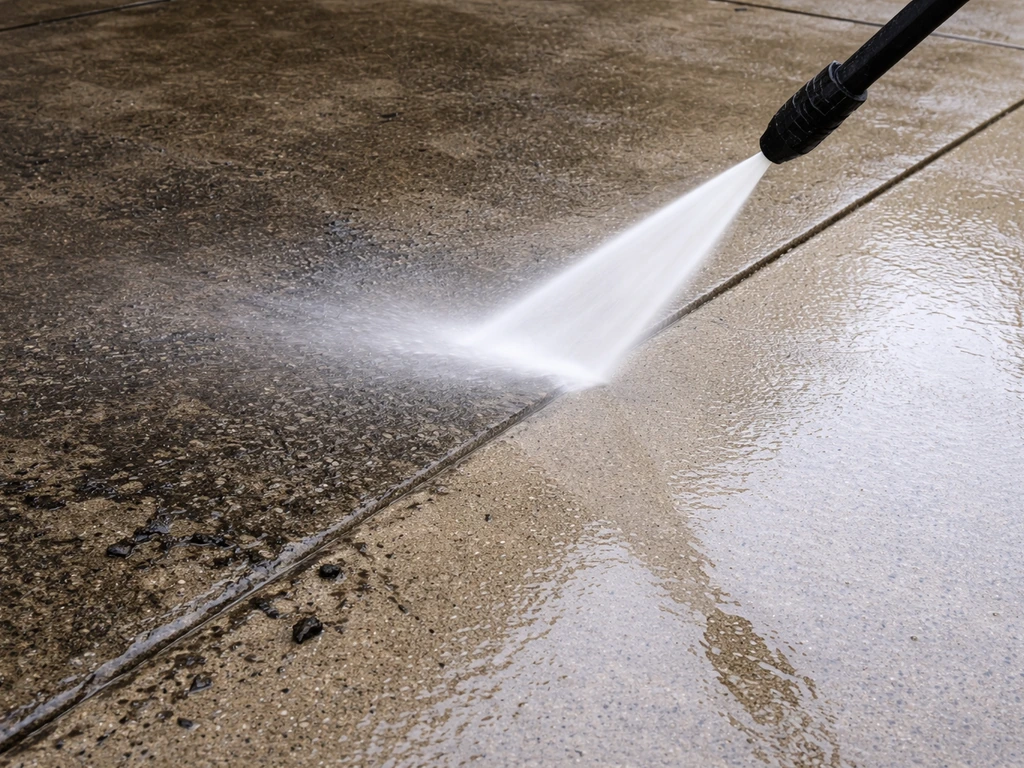
In addition to sealing, regular cleaning is essential. Utilize a pressure washer or a mild detergent to clean your patio, ensuring that stains are removed before they set in. For tougher stains, specific cleaners designed for your patio material may be necessary. Always test a small area first to ensure the cleaner does not damage the surface.
Loose pavers and tiles can create a hazardous environment, especially in high-traffic areas. They may shift over time due to inadequate base preparation or soil movement. To fix loose pavers, you can often re-level them by lifting and replacing them with fresh sand or gravel beneath.
If the problem persists, it may indicate a more serious foundational issue. In such cases, you should consult a professional to evaluate the stability of your patio's base. Regular maintenance, including re-securing loose pavers, can help prolong the life of your patio.